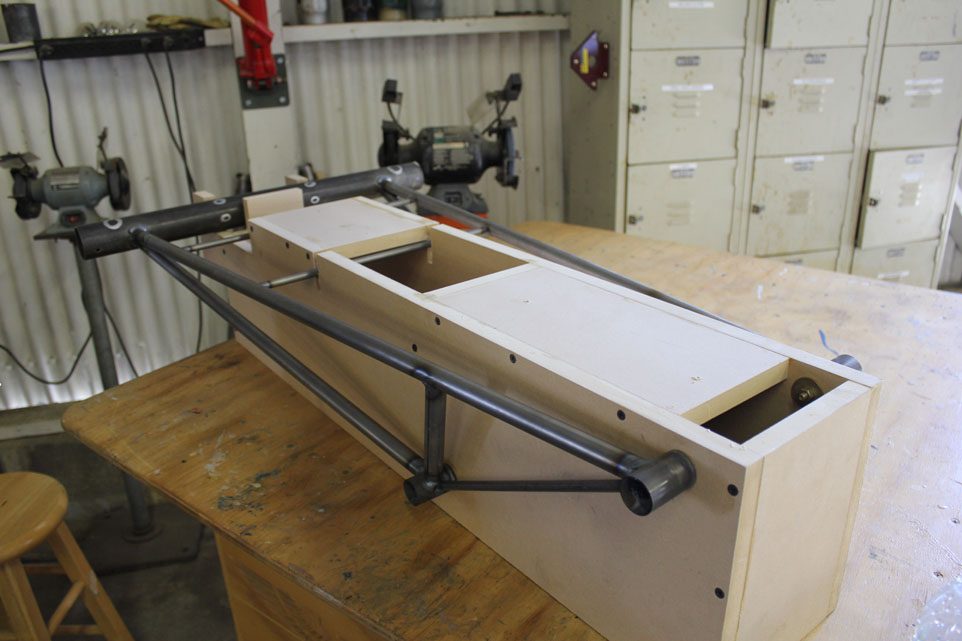
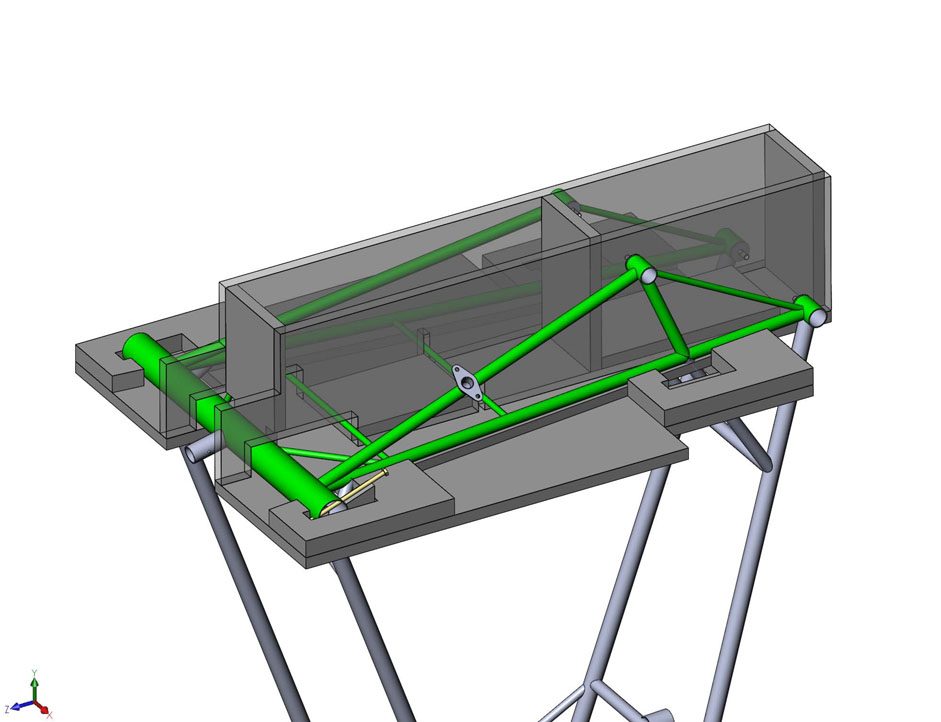
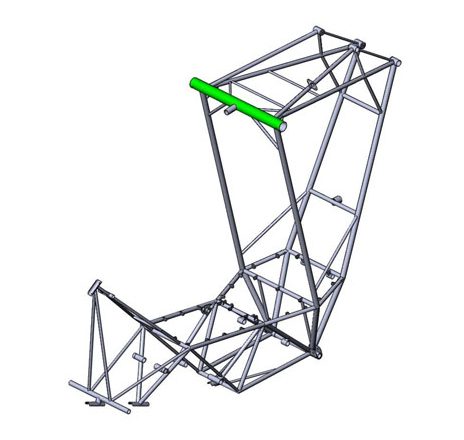
Wing Box Frame and Jigging Fixtures
April 2014
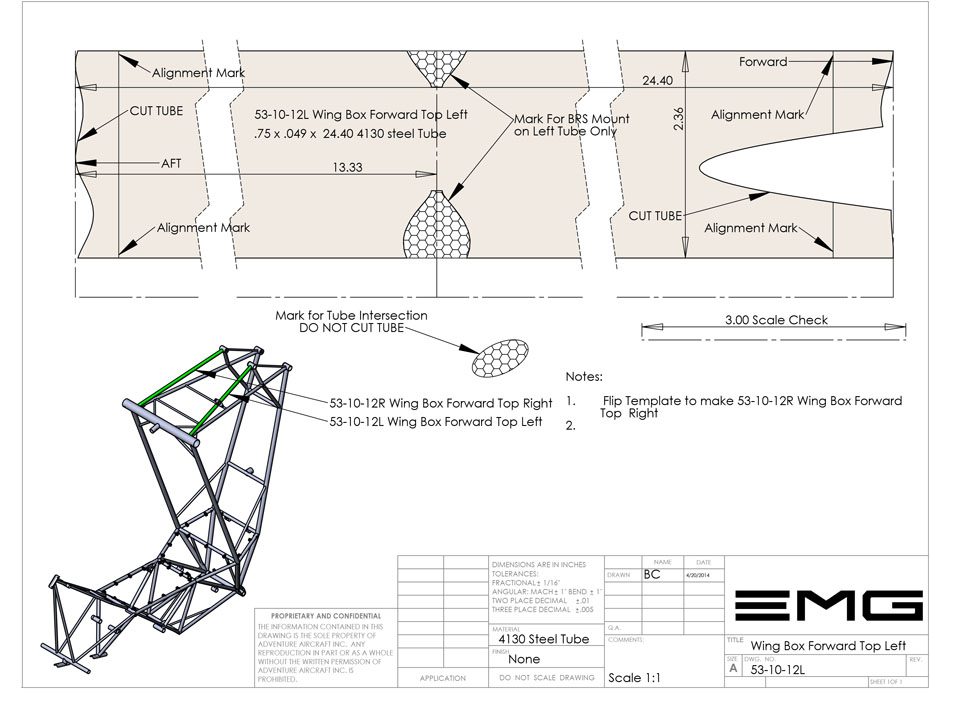
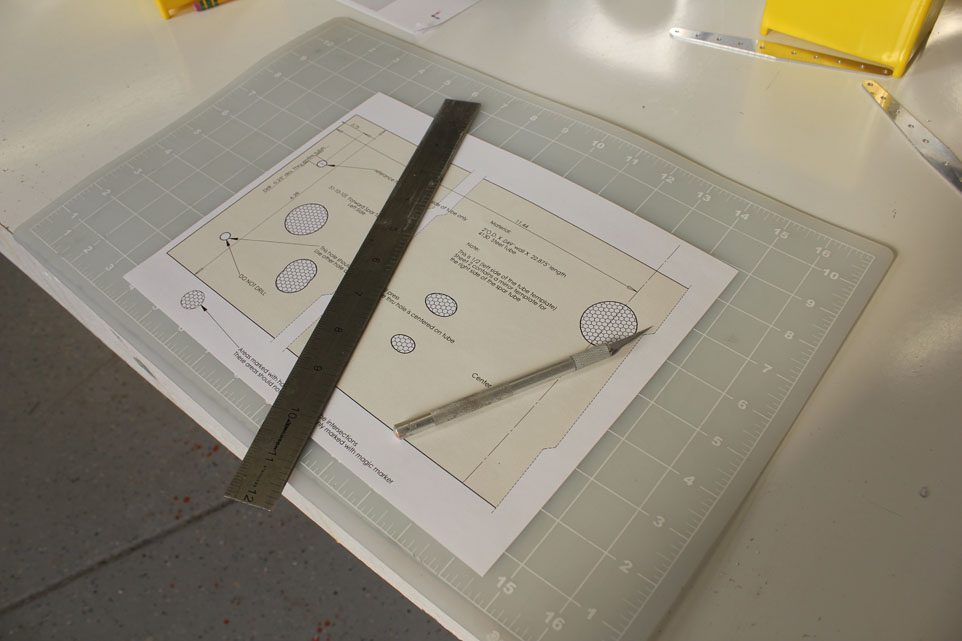
The templates are printed off of a standard inkjet printer. We use in OfficeJet 6700 from Hewlett-Packard that costs $99 from Costco. The templates contain markings that are used to measure and check to ensure that the printer is set to 100% scale before the cutting process has begun.The next step is to simply cut out the template using a straight edge and X-Acto knife. The edges of the template have alignment marks to ensure that the template is wrapped around the tube cylindrically and has no distortion.
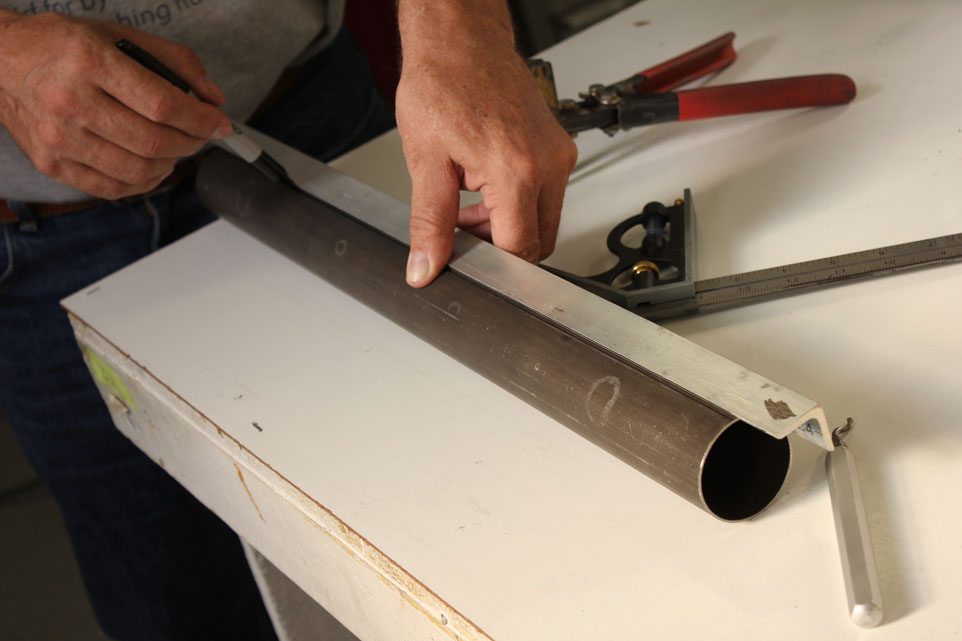
Each tube requires a reference mark upon which to line up the template. We have found a very accurate way of marking a round tube, by taking a piece of aluminum angle placing it face down on to the tube which orients and aligns it parallel with the tube at which point we simply make a sharpie marking on the tube that will become the reference from which all of the other alignments of the template will be made.
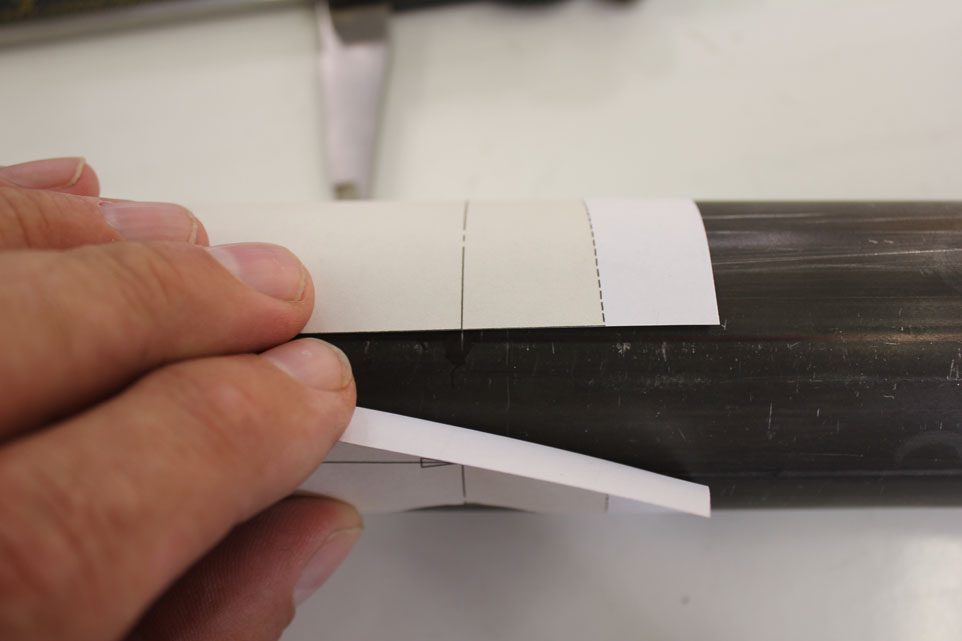
In this picture here you can see the mark made by the sharpie and the alignment marks placed precisely on the reference mark made the on the length of the tube.
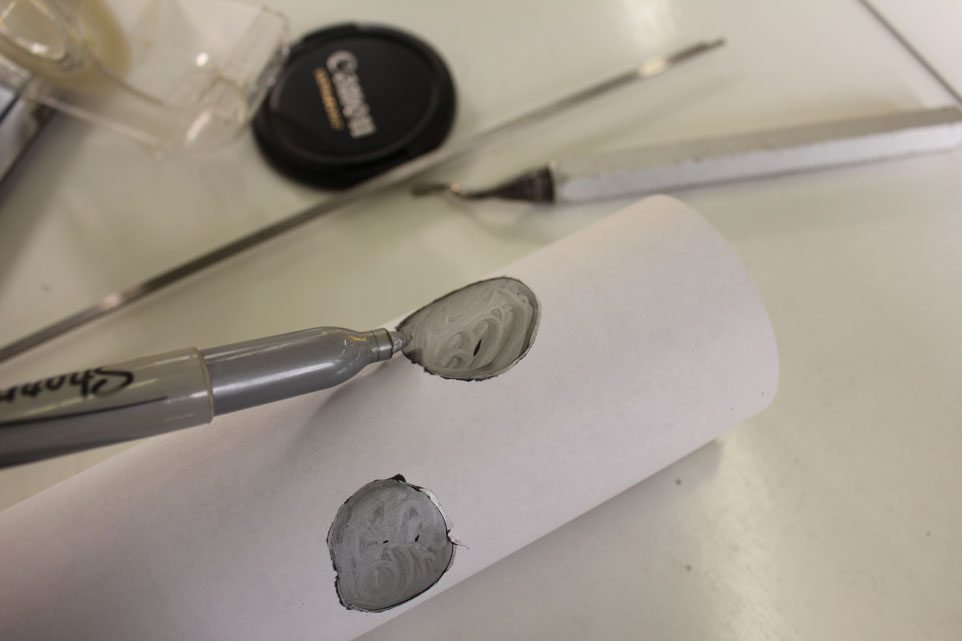
Once the template’s placed correctly on the tube all of the cutout marks as well as the tube intersection marks can be marked using a sharpie. We use a black sharpie most of the time but of also found that the silver metallic sharpie’s contrast really nice against the black patina of a tube as it comes from the manufacturing process.
Because the tubes are cut to a very specific length before they are marked the amount of material needed to be removed is relatively small. We have found that a small bench grinder works wonderfully for grinding the tubes to their specific shape.
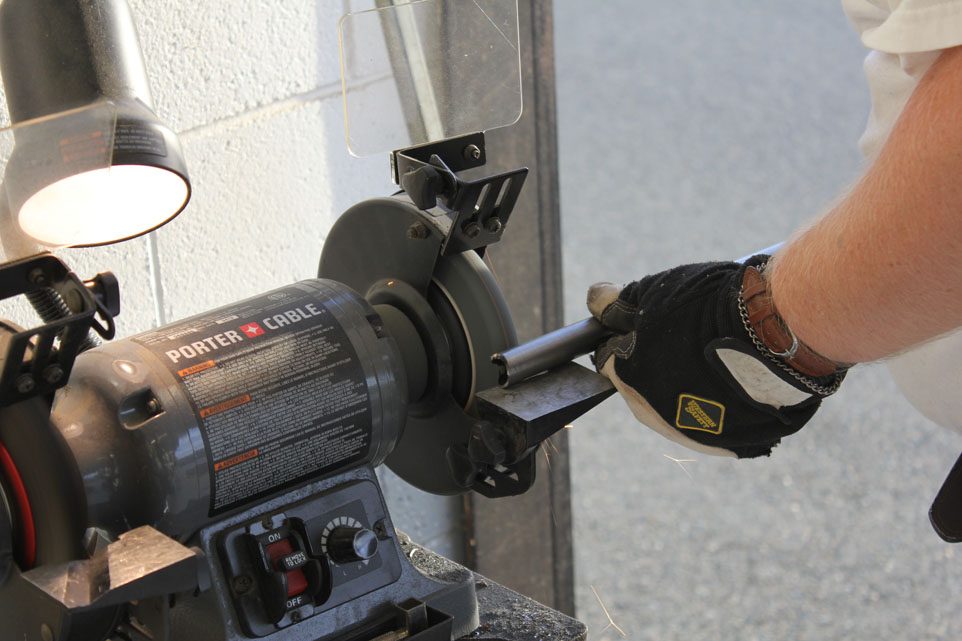
Another method which we use on occasion for small adjustments to tube shape and size is to use a die grinder with a carbide bit.
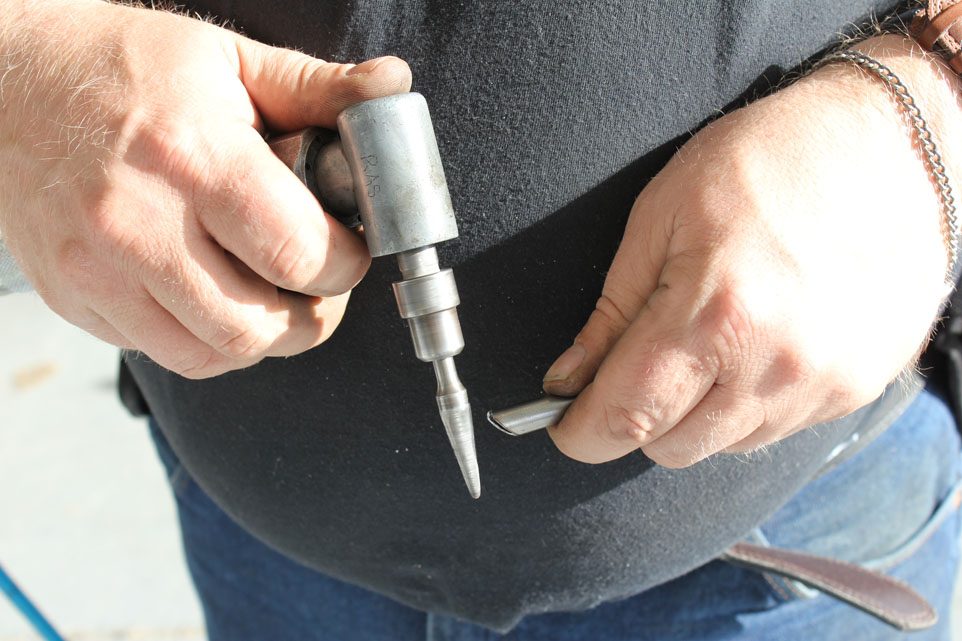
This process works so wonderfully that we very seldom end up with a tube that does not fit the profile perfectly. After we have tack welded some of the tubes in place there will be areas where the previous tube has been welded that will require some additional trimming of the tube but it is a far cry from the old days of cut and fit, cut and fit, cut and fit.
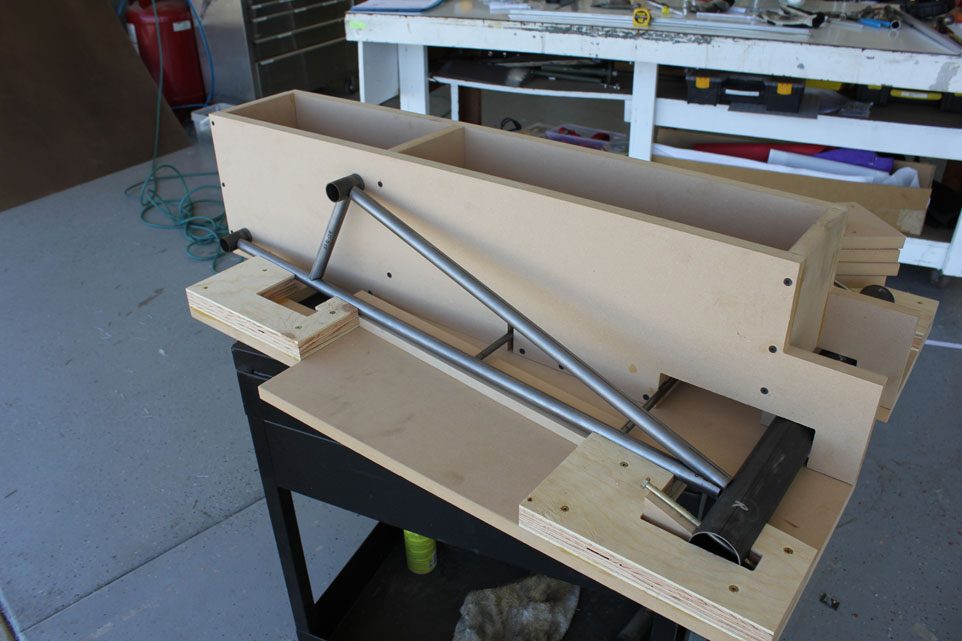
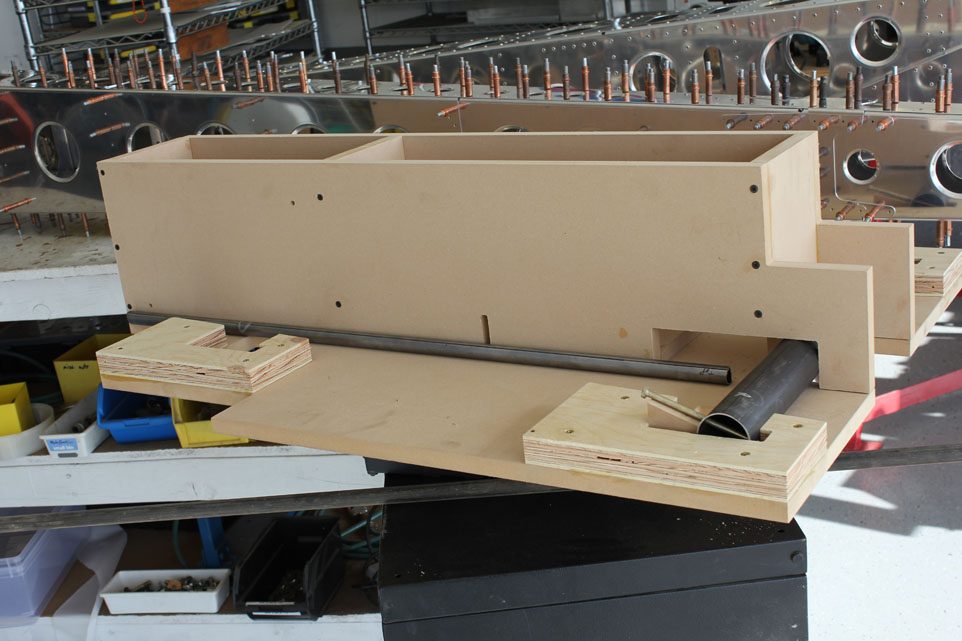
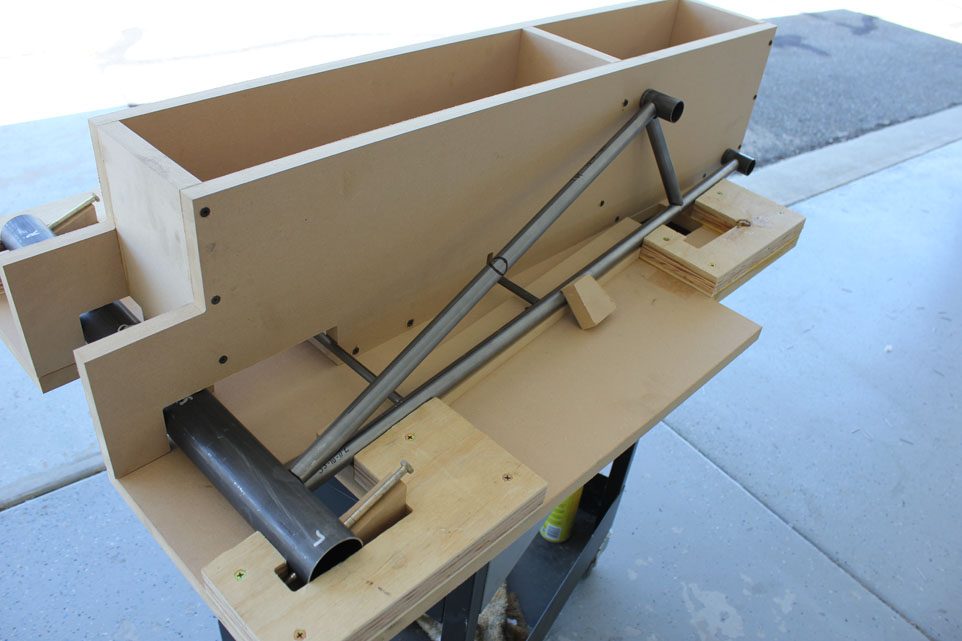
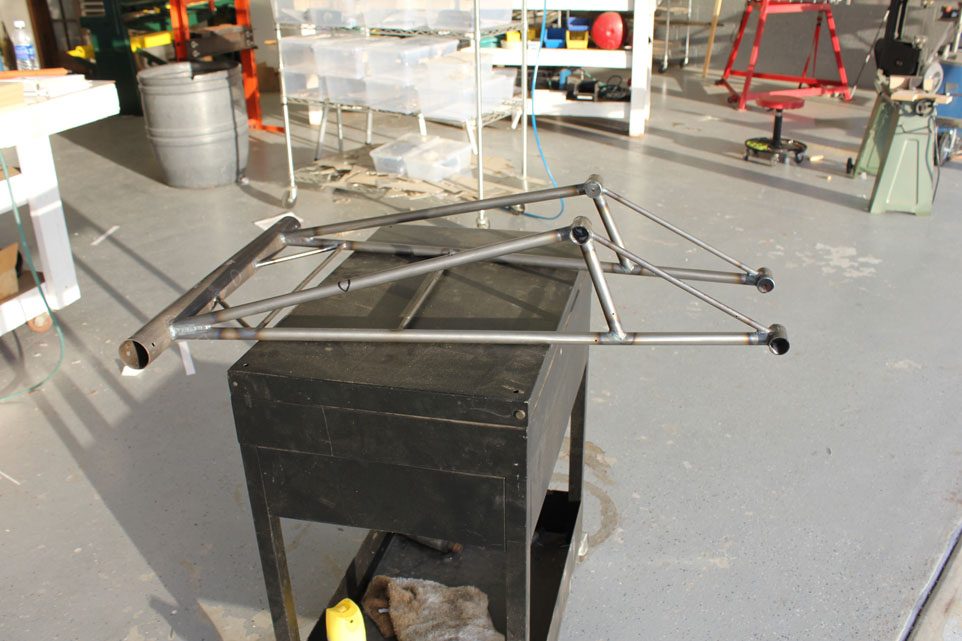
The picture below we see the wing box removed from the base plate and flipped inverted to add some additional tack welds before we remove it from the fixture. Even with most tack welds the MDF really doesn’t get hot enough to do anything other than char the wood in specific areas.