The Many Ways to Configure the EMG-6 Aircraft
Basic
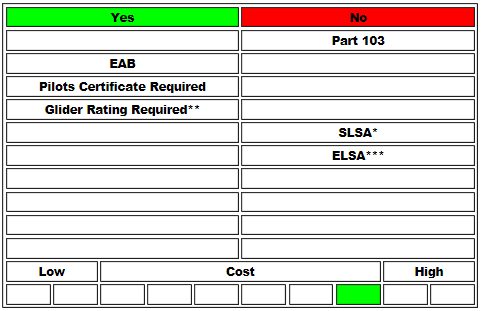
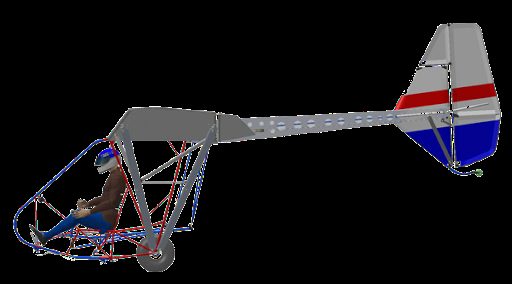
This is the basic configuration for the primary structure for the aircraft. The aircraft could be built and flown as an experimental amateur built aircraft in this configuration.
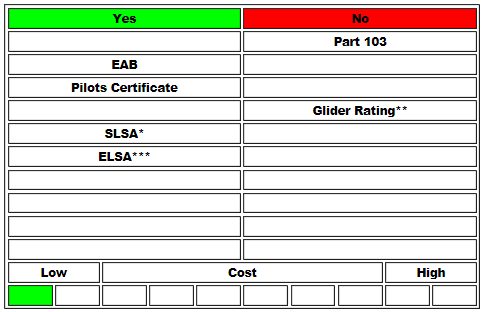
This aircraft in this specific configuration would not qualify as a part 103 legal ultralight. In order to fly this aircraft as an ultralight the airframe would have to be configured with at least one small electric motor or perhaps a small gas powered motor.
In this configuration the builder of the aircraft could assemble a significant portion of the airframe themselves saving a great deal of cost. Our goal is to be of the build this aircraft for under 10 K.
As a single place experimental aircraft the aircraft could be flown with either a glider rating for a private pilot’s rating or as a sport pilot rating. As an experimental aircraft no glider rating is needed for single pilot operations.
Single Place Glider
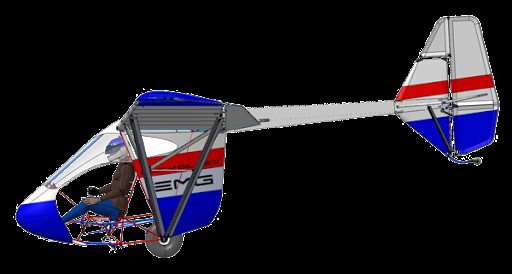
In this configuration we have the aircraft configured nearly identical to the basic configuration with the addition of speed fairings.
The aircraft could be built and flown as an experimental amateur built aircraft in this configuration.
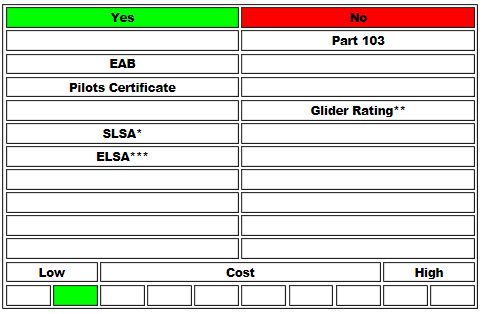
In this configuration the builder of the aircraft could assemble a significant portion of the airframe themselves saving a great deal of cost. Our goal is to be of the build this aircraft for under 10 K. As a single place experimental aircraft the aircraft could be flown with either a glider rating for a private pilot’s rating or as a sport pilot rating.
As an experimental aircraft no glider rating is needed for single pilot operations. Performance on this aircraft in a true glider configuration will probably be fairly substantial. Even with fairings and speed mods to the aircraft the empty weight of the aircraft would not likely exceed 300 pounds. This would give the aircraft a useful load of nearly 350 pounds.
Part 103 Basic Ultralight
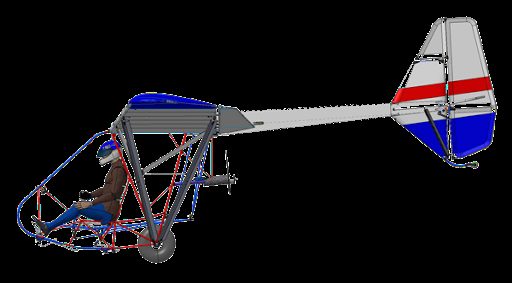
This is the basic aircraft configuration with electric motor powerplant sustainer system installed.
This aircraft can be flown as a true part one of three ultralight as long as the empty weight of the aircraft is not exceed 254 pounds.
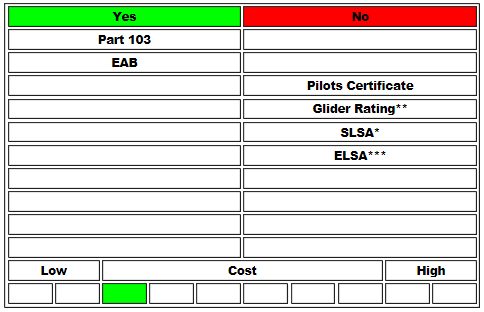
No pilot certificate is needed of any type to legally fly this aircraft.
The cost of configuring the electric power plant could very anyway here from $200 to many thousands of dollars. No airworthiness certificate is needed. No FAA certificate required to do maintenance on this aircraft configured as a part 103 legal ultralight.
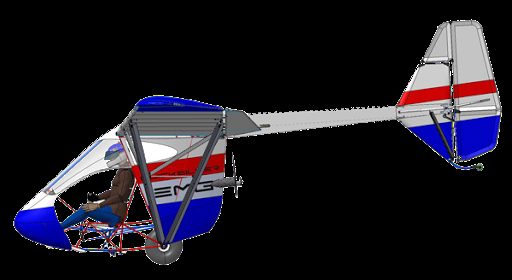
Part 103 Enhanced Ultralight
This is the same basic part 103 legal ultralight configured with speed modifications.
This would probably leave very little room for batteries to be added into the airframe making the sustainer motor operational for a minimal amount of time.
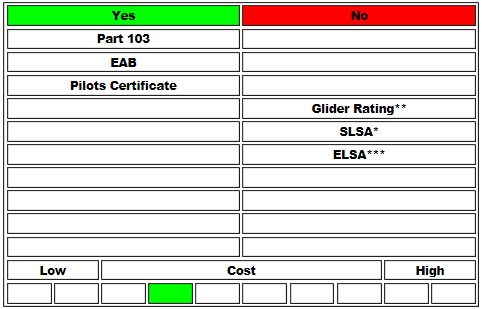
Converting the aircraft to an experimental amateur built aircraft would allowed to be flown with a pilot certificate or a glider certificate.
However currently the FAA regulations do not allow either ELSA or SLSA aircraft be powered by electric motors.
In this configuration it is theoretically possible to install enough batteries to give flight times in the neighborhood of three hours. The cost of these batteries would be quite substantial and probably impractical for the foreseeable future.
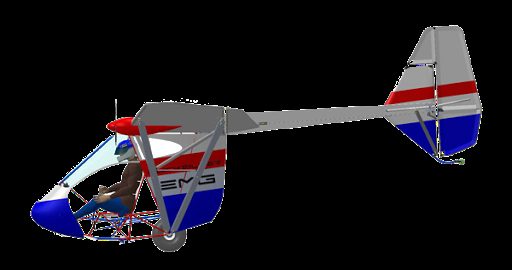
Multi-Engine
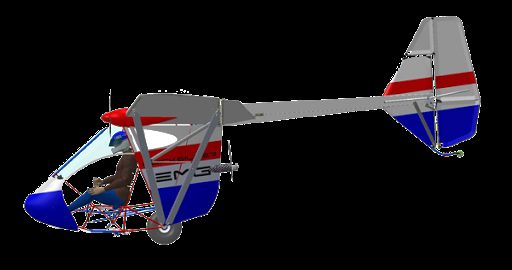
In this configuration we see the twin engine aircraft.
The aircraft configured with either the basic configuration or the basic configuration with speed modifications.
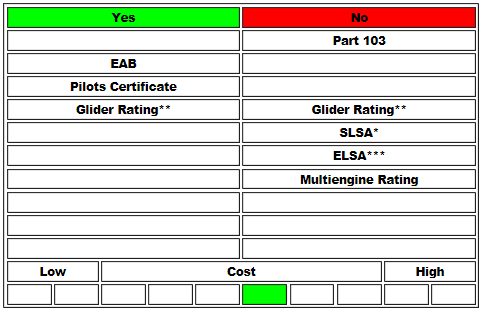
The twin power plants installed on each wing are removable and would weigh in the neighborhood with batteries around 60 pounds each. Although 60 pounds of batteries on each powerplant would allow the aircraft to self launch the total flight time in this configuration would be somewhat limited.
Trimotor
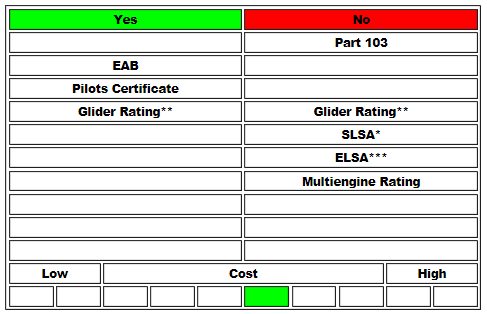
In this configuration we see the aircraft similar to the twin engine configured with a tri motor or arrangement.
All the rules for a twin engine aircraft would apply to a tri motor aircraft as well.
2 Place Basic
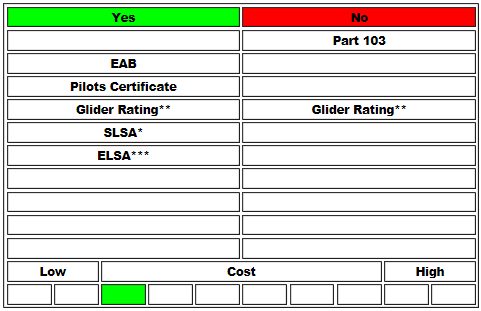
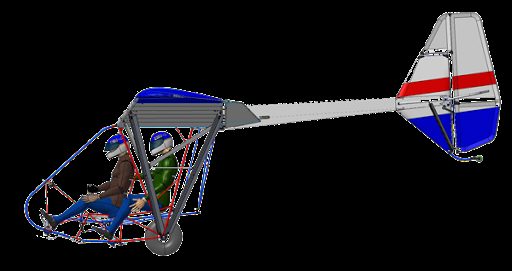
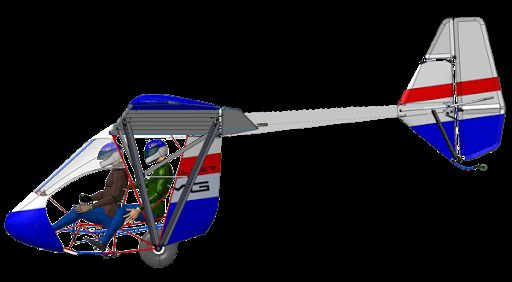
Carrying passengers really changes all the rules when we get into a two place aircraft we now are required to have a glider certificate.
2 Place Enhanced
The same aircraft is the basic aircraft carrying a passenger with the speed fairings installed improving the performance on the glider.
As a two place glider and speed fairings carrying to pilots at 220 pounds is well within the operational envelope of the aircraft.
2 Place Trimotor
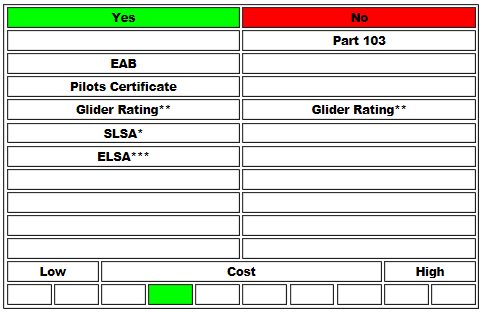
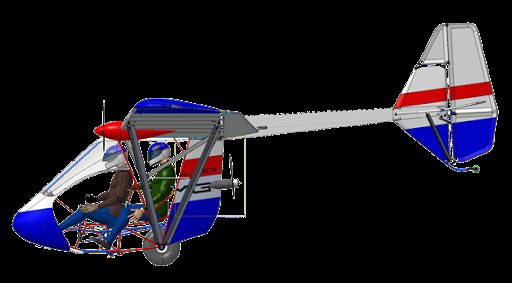
In this two place tri motor configuration the requirement for flying passengers requires that the pilot have a multiengine rating and a glider certificate pending on the amount of batteries the passenger weight would be somewhat limited.
There are no allowances for two passengers on a true part 103 legal ultralight.